
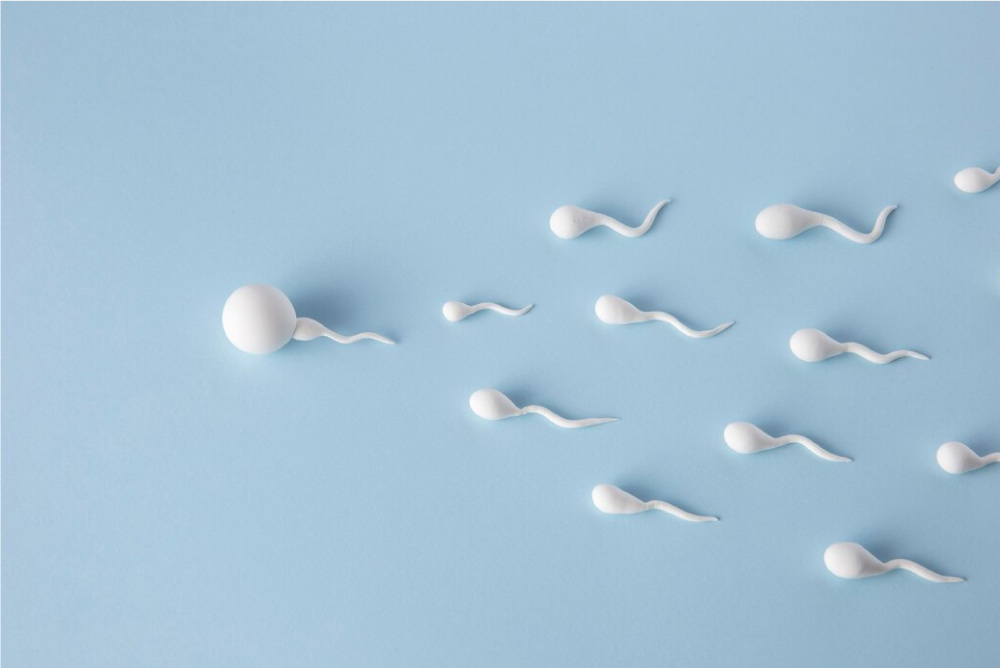
Nowadays, male infertility is becoming increasingly common, and one of the major causes is a low sperm count. A reduced sperm count can not only affect your fertility but may also impact your lifestyle and mental well-being. In this article, we will discuss the symptoms of low sperm count and the ways to improve it.
Symptoms of Low Sperm Count
A low sperm count may be associated with several physical signs and symptoms. Some of the common ones include:
1. Fertility Problems
If your sperm count is low, it may become difficult to conceive a child. The sperm may not be able to fertilize the female egg effectively, reducing the chances of pregnancy.
2. Sexual Difficulties
Men with a low sperm count may experience a reduced interest in sexual activity. Some may also face physical or psychological difficulties during sexual intercourse.
3. Low Sex Drive (Reduced Libido)
A decrease in libido may be associated with hormonal imbalances that can accompany conditions affecting sperm production.
4. Difficulty Achieving or Maintaining an Erection
Some men may experience erectile difficulties, particularly if the underlying cause of low sperm count is related to hormonal or other health conditions.
5. Pain or Swelling in the Testicles
Pain, swelling, or the presence of an unusual lump in the testicles may indicate an underlying condition that can affect sperm production and should be evaluated by a doctor.
6. Reduced Facial or Body Hair
A decrease in facial or body hair may be a sign of hormonal imbalance, such as low testosterone levels, which can be associated with fertility issues.
Ways to Improve Sperm Count
Making healthy lifestyle changes can help improve sperm count. In some cases, medical treatment may also be necessary.
1. Eat a Healthy Diet
A balanced diet rich in vitamins, minerals, antioxidants, fruits, vegetables, whole grains, healthy fats, and lean protein can support sperm health and overall reproductive function.
2. Exercise Regularly
Regular physical activity improves blood circulation, supports hormonal balance, and may contribute to better sperm production.
3. Manage Stress
Chronic stress can negatively affect reproductive health. Practicing yoga, meditation, deep breathing exercises, or other relaxation techniques may help reduce stress.
4. Maintain a Healthy Lifestyle
Avoid smoking, excessive alcohol consumption, and recreational drugs, as these can negatively impact sperm count and sperm quality.
5. Consult a Doctor
If you continue to have concerns about low sperm count or fertility, consult a qualified healthcare professional. Depending on the underlying cause, treatment may include medication, treatment for infections, or hormone therapy.
6. Medical Treatment
In certain cases, doctors may recommend surgery or assisted reproductive technologies (ART), depending on the underlying diagnosis and severity of the condition.
Conclusion
A low sperm count can be a significant factor in male infertility and may reduce the chances of conception. However, adopting a healthy diet, exercising regularly, managing stress, and making positive lifestyle changes can improve reproductive health. Early diagnosis and appropriate medical treatment can help address many underlying causes and improve fertility outcomes.
Important Note
Always consult your doctor or a qualified healthcare professional before making significant changes to your health routine or starting any treatment. They can provide personalized advice based on your medical history and current health condition.
For any health-related concerns, please contact us at +91-9058577992 to receive a free consultation from our experienced doctors.
Your health is our priority. Thank you.
Leave a Reply
You must be logged in to post a comment.